


 Print
Print Email
Email
With the devastation that hurricane Katrina wreaked on southern US states, the Red Cross is asking for money, because it gives them the resources to be flexible in their response as conditions change. Lansing businesswoman Janet Keefe wanted to do something to help. Her company, The ADminders, sells branded promotional items.
"I wanted to do something more than just send a donation to the Red Cross and my family shared my sentiment. My promotional products company has provided many clients with fund raising products, so with that in mind I thought of the popular awareness bracelets," says Ms. Keefe. "I asked my Lansing Middle Schooler his thoughts and he noted that his school held a successful fund raiser last year, selling awareness bracelets for a cancer support program for families."
She quickly got to work on making the idea a reality. She contacted her supplier to buy the bracelets and sell them at cost to chamber members and schools for resale.
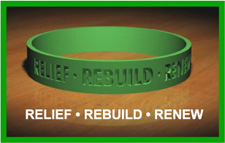
Her supplier is donating $.35 per bracelet to the Red Cross, which will be matched by her industry, so 70 cents for each bracelet donation will go toward hurricane relief. She sent press releases to the Lansing and Ithaca schools, and got the Tompkins County Chamber of Commerce to send an announcement about the fund raising project to their 700 members.
 Janet Keefe"I believe that Tompkins County business owners and leaders have shared the same feelings of despair about the victims of Hurricane Katrina as the rest of America," says Ms. Keefe. "Many people have already sent money, goods, and other resources to assist the victims. It is difficult to imagine this catastrophe in our own town, however it is very real for the thousands of people who lived in the path of this storm."
A special web page has been set up so that organizations can purchase the bracelets for resale. Businesses and organizations must agree to sell the bracelets for $3.00, and to donate all the proceeds to the Red Cross 2005 Hurricane Relief, which can be made on-line at https://give.redcross.org/?hurricanemasthead. Additionally participants must agree to notify ADminders of the quantity sold and dollars donated on the 1st and 15th of each month in which you offer the bracelets for sale.
"We can do so much more to help by working together," Ms. Keefe says.